






Introduction
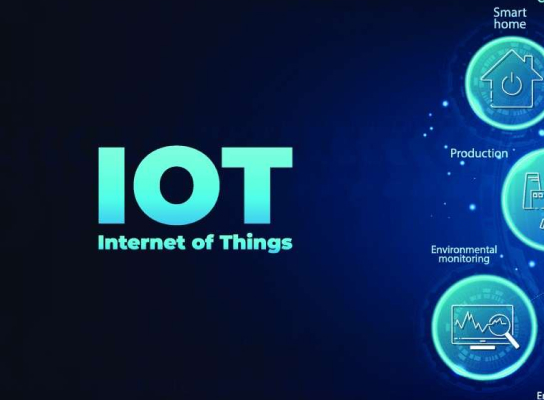
The Internet of Things (IoT) has rapidly evolved into one of the most powerful technologies shaping the digital world. As billions of devices connect to share data, automate tasks, and create intelligent environments, IoT is redefining how individuals, businesses, and industries operate. From smart homes and wearable health devices to automated manufacturing and intelligent cities, IoT is embedding connectivity into every aspect of modern life. With the continuing rise of future-focused IoT technology solutions, experts agree that IoT will play a central role in the next wave of digital transformation. This article explores why IoT is the future of tech, analysing how it empowers innovation, improves efficiency, and supports the growing demand for automation and intelligent connectivity.
1. IoT Enables Smarter, Connected Ecosystems
Connectivity is at the heart of IoT, and it is transforming environments into intelligent ecosystems. Through IoT-driven smart connectivity platforms, technology becomes more responsive and intuitive.
- IoT systems allow devices to communicate seamlessly, creating more efficient workflows.
- Smart connectivity supports homes, offices, factories, and cities with automated operations.
- Connected ecosystems reduce human involvement in routine tasks, improving efficiency.
- IoT integration helps systems work together for better user experiences.
- The connected world grows stronger as more devices join the IoT network.
2. IoT Drives Automation Across All Industries
Automation has become a necessity, and IoT plays a leading role. With IoT automation technologies, industries modernize their operations effectively.
- Automated IoT systems reduce manual workload and increase output.
- Smart sensors track performance continuously, enhancing accuracy.
- IoT automation supports complex operations like robotics, logistics, and manufacturing.
- Predictive insights reduce downtime and improve operational stability.
- Automation powered by IoT helps businesses achieve higher productivity with fewer resources.
3. IoT Supports Advanced Data Analytics and AI Integration
Data is the foundation of digital transformation, and IoT generates vast amounts of it. Using IoT-enabled AI analytics solutions, organizations gain smarter insights.
- IoT devices collect real-time data from multiple environments.
- AI algorithms analyse this information to deliver predictions and recommendations.
- Businesses use these insights to optimize operations and improve planning.
- Data analytics helps detect inefficiencies and create stronger strategies.
- The combination of AI and IoT forms the backbone of intelligent, data-driven systems.
4. IoT Improves Efficiency and Reduces Operational Costs
Cost optimization is a key reason IoT adoption is accelerating. Through IoT-based operational cost reduction techniques, businesses operate more efficiently.
- IoT systems help reduce energy consumption with smart automation.
- Predictive maintenance minimizes equipment repair expenses.
- Resource monitoring prevents wastage and improves long-term savings.
- Automated processes require less manual labor, reducing staffing costs.
- Efficient operations help businesses allocate resources more strategically.
5. IoT Enhances Personalization and User Experience
Modern users expect personalized experiences, and IoT makes this possible. With IoT-enabled personalized technology experiences, interactions become more intuitive.
- Smart devices adjust settings based on user behaviour and preferences.
- Wearables offer tailored health insights for improved well-being.
- Smart homes automate lighting, temperature, and appliances for comfort.
- Personalized retail experiences improve customer satisfaction and engagement.
- IoT supports context-aware systems that understand user needs instantly.
6. IoT Enables Smarter Cities and Sustainable Innovation
IoT is essential for building cities of the future. Using IoT-powered smart city solutions, governments improve infrastructure and sustainability.
- Smart traffic systems reduce congestion through real-time monitoring.
- IoT sensors help manage energy, water, and waste more efficiently.
- Environmental monitoring supports cleaner, healthier cities.
- Connected public services improve safety and accessibility.
- IoT-driven sustainability strategies support green growth across urban regions.
7. IoT Supports Scalability and Future-Ready Technology Growth
IoT is designed for expansion, making it ideal for the future of tech. Through scalable IoT deployment models, organizations can grow effortlessly.
- IoT platforms support thousands of connected devices without performance loss.
- Businesses scale operations quickly with cloud-integrated IoT systems.
- Flexible IoT environments adapt to evolving technologies and market demands.
- Scalable architectures help companies expand globally with ease.
- Future innovations like 6G and robotics will seamlessly integrate with IoT.
Conclusion
IoT is the future of technology because it connects systems, automates operations, enhances decision-making, and enables personalized, efficient, and intelligent experiences. From smart cities and industries to personalized devices and autonomous systems, IoT will continue transforming the world with endless possibilities.
At Well Spring Digital Technologies, we help businesses embrace IoT with advanced integration, innovative automation, and customized digital strategies. Our solutions ensure that organizations stay future-ready with scalable, secure, and intelligent IoT technologies.
Visit our website for more information and discover how Well Spring Digital Technologies can guide your business into the future of IoT-powered technology.
https://www.wellspring-digital.com/about