





Introduction
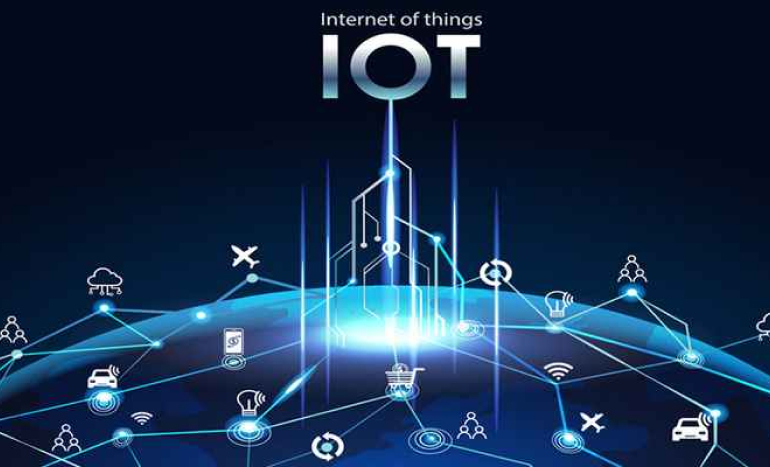
The Internet of Things (IoT) continues to revolutionize industries by connecting devices, automating workflows, and enhancing everyday operations. As we move into 2025, IoT is evolving faster than ever, driven by advancements in AI, edge computing, cybersecurity, and data analytics. Businesses across manufacturing, healthcare, retail, logistics, and smart home ecosystems are integrating future-ready IoT solutions to improve efficiency, reduce costs, and deliver personalized experiences. With billions of devices expected to connect in the coming years, understanding the upcoming IoT trends becomes essential for every organization seeking digital transformation. This article explores the top IoT trends to watch in 2025 and how these innovations will shape the next generation of technology-driven growth.
1. AI-Powered IoT Will Become the New Standard
AI and IoT are merging to create smarter, more autonomous systems. With AI-driven IoT automation strategies, businesses can make faster, data-backed decisions.
- AI-powered IoT devices analyse data instantly to deliver real-time insights and predictions.
- Machine learning algorithms help devices adapt to user behaviour and environmental changes.
- Automated IoT systems reduce human intervention, improving accuracy and productivity.
- Predictive maintenance helps prevent equipment failures before they occur.
- AI-enhanced IoT drives smarter homes, cities, and businesses with intelligent automation.
2. Edge Computing Will Transform Real-Time Processing
To handle massive amounts of data quickly, companies are shifting toward edge computing. Through edge-enabled IoT performance solutions, devices process information closer to the source.
- Edge computing reduces latency by minimizing the distance data must travel.
- Real-time processing supports critical applications such as autonomous vehicles and medical devices.
- Edge IoT improves performance for large-scale industrial operations.
- Local data processing increases reliability even with network disruptions.
- This trend supports seamless IoT experiences in both urban and remote environments.
3. IoT Security Will Strengthen with Next-Generation Protection
As IoT devices increase, so do security challenges. Businesses will adopt advanced IoT security frameworks to safeguard systems and data.
- Encryption and authentication tools protect devices from unauthorized access.
- AI-powered threat detection identifies risks faster and more accurately.
- Zero-trust models ensure all devices are verified before gaining network access.
- Secure firmware updates help prevent vulnerabilities in IoT devices.
- Strong cybersecurity frameworks become essential to protect smart ecosystems.
4. Smart Cities Will Expand with IoT Integration
Cities worldwide are investing in IoT to improve infrastructure and services. Using smart city IoT development strategies, governments enhance efficiency and sustainability.
- IoT sensors help monitor traffic flow and reduce congestion.
- Smart street lighting saves energy and increases public safety.
- Connected waste management systems optimize collection routes.
- Environmental monitoring improves pollution control and urban planning.
- Smart city technologies create healthier, more sustainable living environments.
5. Healthcare IoT Will Advance Remote Monitoring and Telehealth
The healthcare industry will benefit greatly from IoT innovations in 2025. With IoT-powered healthcare monitoring solutions, patient care becomes more efficient and personalized.
- Wearable devices track vital signs and send data to healthcare providers in real time.
- Remote patient monitoring reduces the need for frequent hospital visits.
- Smart medical devices support early diagnosis through continuous tracking.
- IoT improves medication dispensing and monitoring for better health outcomes.
- Hospitals use IoT technology to optimize equipment management and patient flow.
6. Industrial IoT (IIoT) Will Drive Automation and Efficiency
Manufacturing and industrial sectors will rely heavily on IoT to improve operations. Through IIoT-driven industrial automation, businesses increase productivity and reduce downtime.
- IoT sensors monitor machine performance and detect early signs of wear.
- Automated production systems reduce manual errors and increase consistency.
- Real-time data analytics improves decision-making in manufacturing processes.
- Smart factories optimize energy usage and lower operational costs.
- IIoT supports predictive maintenance, reducing unexpected breakdowns.
7. IoT in Retail Will Enhance Personalized Customer Experiences
Retailers will adopt IoT technologies to create smarter shopping environments. Using retail IoT customer engagement strategies, businesses improve customer satisfaction.
- Smart shelves track inventory automatically and reduce stockouts.
- IoT beacons send personalized offers based on customer behaviour.
- Automated checkout systems create faster, contactless shopping experiences.
- Real-time analytics help retailers understand shopping patterns.
- IoT devices support improved supply chain visibility and efficiency.
Conclusion
The IoT landscape of 2025 is shaped by AI-powered automation, edge computing, advanced security, smart city innovation, healthcare monitoring, industrial automation, and enhanced retail experiences. These trends are transforming the way businesses operate and the way people live, offering unprecedented opportunities for growth and efficiency.
At Well Spring Digital Technologies, we help businesses implement next-generation IoT solutions with expert planning, secure integration, and innovative strategies. Our technology services ensure your business stays ahead in a connected, data-driven world.
Visit our website for more information and discover how Well Spring Digital Technologies can guide your IoT transformation in 2025 and beyond.
https://www.wellspring-digital.com/