






Introduction
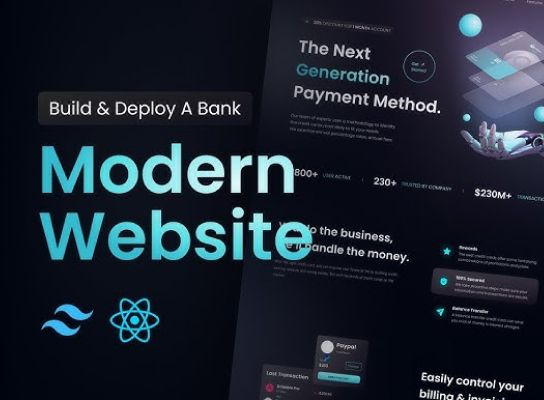
Building a modern website in today’s digital world requires more than just attractive design it demands speed, security, mobile responsiveness, intuitive navigation, and a seamless user experience. As users expect faster-loading pages, cleaner layouts, and personalized interactions, businesses must invest in modern website development strategies that deliver performance and functionality across devices. A well-built website strengthens brand credibility, improves customer engagement, and supports long-term business growth. This article breaks down how to build a modern website, helping businesses and developers understand the essential steps required to create a website that aligns with current trends, user behaviour, and technological advancements.
1. Start With Clear Goals and a Strong Website Strategy
A successful website begins with a well-defined purpose. Using strategic website planning techniques, businesses ensure clarity and direction.
- Setting goals helps determine the design style, structure, and features required for the website.
- Understanding the target audience ensures the site meets user expectations.
- Planning content and features early reduces delays during development.
- Competitor analysis helps identify unique elements that improve user engagement.
- A clear strategy forms the foundation for a smooth, focused development process.
2. Use Modern Design Principles for a Clean and Engaging Look
Design plays a major role in user experience. With modern website design standards, businesses create visually appealing and functional interfaces.
- Minimalist layouts improve readability and reduce visual clutter.
- Consistent branding strengthens identity and user trust.
- High-quality images and graphics increase professionalism and appeal.
- Colour psychology helps guide user emotions and behavior.
- A visually balanced design keeps users engaged and encourages longer visits.
3. Ensure Mobile-First and Responsive Website Development
Most users browse through mobile, making responsiveness essential. Applying mobile-first responsive web design techniques ensures accessibility for all screen sizes.
- Mobile-first layouts prioritize content that mobile users need most.
- Responsive grids adjust automatically across devices like tablets and desktops.
- Optimized navigation improves usability on smaller screens.
- Faster mobile performance leads to better search engine rankings.
- Responsive websites offer a seamless experience to every visitor.
4. Build With Modern Web Technologies and Frameworks
Modern frameworks help developers build faster and more efficiently. Using future-ready web development technologies, websites become scalable and high-performing.
- JavaScript frameworks like React, Vue, and Angular support interactive features.
- Backend technologies like Node.js and Django handle complex data and server requests.
- API connectivity enhances functionality through external integrations.
- Content management systems simplify updating and organizing content.
- Modern tech stacks improve speed, security, and long-term scalability.
5. Optimize Website Speed and Performance
Speed is one of the biggest factors influencing user satisfaction. With advanced website performance optimization techniques, businesses improve loading times.
- Image compression reduces file size without affecting quality.
- Lazy loading loads content only when the user needs it.
- Minified CSS and JavaScript files improve page speed.
- Caching systems help websites load faster on repeat visits.
- Performance optimization leads to higher engagement and improved SEO.
6. Focus on Strong Website Security and Data Protection
Security is essential to protect users and businesses. Using secure website development practices, developers reduce vulnerabilities and build user trust.
- HTTPS encryption protects user information and improves credibility.
- Regular security scans identify vulnerabilities before they become risks.
- Strong authentication prevents unauthorized access.
- Secure coding practices reduce exposure to cyber threats.
- A secure website protects brand reputation and customer confidence.
7. Add SEO Best Practices to Improve Website Visibility
A modern website must be discoverable. With SEO-friendly website development strategies, businesses improve their online reach.
- Keyword-rich content helps search engines understand page relevance.
- Clean URLs and metadata improve ranking potential.
- Internal linking supports site navigation and search indexing.
- Fast-loading pages enhance overall SEO performance.
- SEO optimization increases organic traffic and long-term visibility.
8. Test Thoroughly Before Launching
Testing ensures quality, stability, and user satisfaction. Through comprehensive website testing methods, developers identify and fix issues early.
- Functionality testing checks that all features work properly.
- Responsive testing ensures smooth performance across devices.
- Performance testing identifies bottlenecks that slow pages down.
- Security testing strengthens protection before public launch.
- Thorough testing ensures a smooth, error-free user experience.
Conclusion
Building a modern website requires a balance of smart planning, innovative design, responsive layouts, strong security, optimized performance, and SEO-friendly strategies. When done correctly, a modern website becomes a powerful tool that supports branding, engagement, and long-term business growth.
At Well Spring Digital Technologies, we specialize in creating high-performance, visually stunning, and secure websites using advanced web development tools and strategies. Our expertise ensures your website is ready for the future fast, responsive, and user-focused.
Visit our website for more information and discover how Well Spring Digital Technologies can bring your modern website vision to life with innovative digital solutions.
https://www.wellspring-digital.com/about