






Introduction
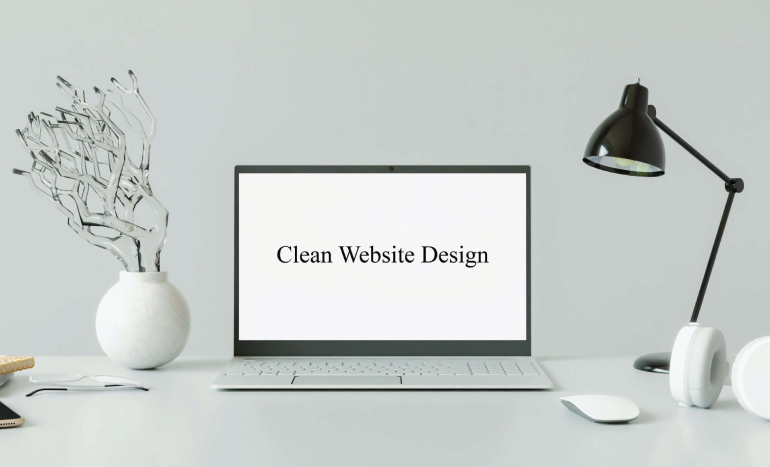
Clean web design has become one of the most important elements of modern digital experiences. As users browse faster and expect instant clarity, websites must be visually simple, easy to navigate, and focused on delivering value without overwhelming visitors. A clean layout enhances readability, improves engagement, and strengthens overall brand perception. With the increasing demand for minimalist and user-friendly web design strategies, businesses and developers are shifting toward streamlined interfaces that offer both beauty and function. This article explores the best practices for clean web design, helping brands create websites that look professional, load quickly, and ensure effortless navigation for every user.
1. Keep the Layout Simple and Well-Structured
A simple layout forms the foundation of clean design. With structured minimal web layout techniques, websites become easy to understand and more visually appealing.
- A clean layout reduces confusion and helps users focus on the most important information.
- Simple content sections guide visitors smoothly through the website.
- Clutter-free pages improve readability and reduce cognitive load.
- Balanced spacing enhances aesthetics and prevents visual overload.
- A well-structured layout leads to better user experience and higher engagement.
2. Use Consistent Typography and Readable Fonts
Typography plays a major role in design clarity. Using readability-focused web typography techniques, businesses improve the overall user experience.
- Clean, modern fonts make content easier to read and understand.
- Proper font size and spacing improve text visibility across devices.
- Consistent typography maintains brand identity and visual harmony.
- Limiting font variations keeps the design simple and cohesive.
- Good typography keeps users engaged and encourages deeper exploration.
3. Choose a Limited and Harmonious Colour Palette
Colours influence emotions and guide user behaviour. With balanced colour palette selection methods, websites achieve a clean and professional look.
- A limited colour palette prevents visual overcrowding and maintains elegance.
- Soft, neutral tones support minimalist design and improve readability.
- Accent colours highlight important sections without overwhelming the layout.
- Consistent colours strengthen brand recognition and visual consistency.
- Clean colour combinations make websites feel modern, organized, and trustworthy.
4. Focus on Clear and Simple Navigation
Navigation determines how easily users move through a website. Using clean and intuitive website navigation techniques, businesses enhance accessibility.
- Simple menus help users quickly find what they are looking for.
- Clear labels improve understanding and reduce confusion.
- Sticky navigation ensures important links stay accessible while scrolling.
- Breadcrumbs guide users through multi-level pages effortlessly.
- Intuitive navigation increases user satisfaction and reduces bounce rates.
5. Add High-Quality Visuals with Purpose
Visual content should support the design, not overpower it. Through purposeful and high-quality website imagery guidelines, websites look polished and professional.
- Images should be relevant, meaningful, and aligned with brand identity.
- Minimal graphics maintain design simplicity and reduce distractions.
- Optimized visuals improve loading speed and overall performance.
- Clean illustrations support storytelling without overwhelming the layout.
- Purpose-driven visuals enhance user connection and engagement.
6. Maximize White Space for a Clean and Airy Feel
White space is one of the most important features of clean design. Using white space optimization techniques, websites appear fresh and well-organized.
- Generous spacing prevents content from looking crowded or cluttered.
- White space improves readability and draws attention to key elements.
- Clean layouts help users process information more comfortably.
- Spacing enhances visual elegance and professionalism.
- Balanced white space guides the user's eye more effectively through the page.
7. Optimize for Speed and Performance
A clean design must also perform well. With performance-focused clean web design optimization, websites run smoothly and efficiently.
- Fast-loading pages improve user experience and search engine rankings.
- Optimized code ensures that the website loads cleanly without heavy elements.
- Compressed images help maintain both clarity and performance.
- Lightweight frameworks reduce unnecessary bulk in the design.
- A faster website increases conversions and keeps users engaged longer.
Conclusion
Clean web design combines simplicity, readability, intuitive navigation, balanced colors, and purposeful visuals to create a smooth and enjoyable user experience. As digital users seek clarity and ease, clean design becomes essential for maintaining professionalism, improving engagement, and strengthening brand identity.
At Well Spring Digital Technologies, we specialize in building clean, modern, and high-performance websites using advanced design principles and future-ready development strategies. Our team ensures your website looks elegant, loads fast, and delivers the best possible user experience.
Visit our website for more information and discover how Well Spring Digital Technologies can help you achieve clean and impactful web design for your brand.
https://www.wellspring-digital.com/